


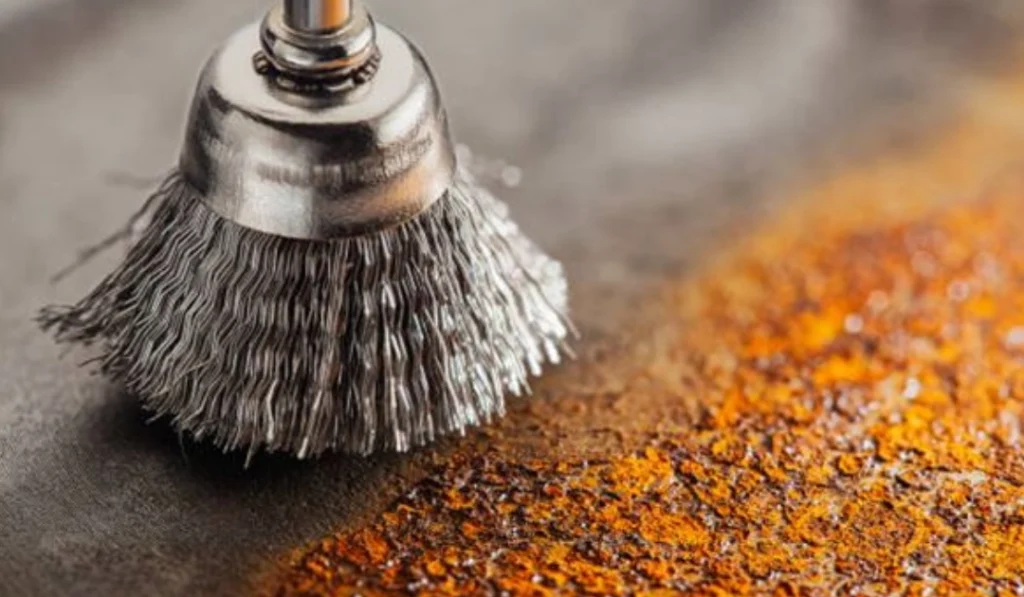
Industrial equipment is the backbone of manufacturing, construction, and heavy industries. Ensuring these machines remain functional and efficient is crucial for productivity and cost management. One of the most common threats to machinery longevity is rust, which can silently degrade metal surfaces, impair performance, and lead to expensive repairs or replacements. Using rust removers and rust penetrating oils effectively can drastically extend the life of industrial equipment while maintaining operational efficiency.
Understanding Rust and Its Impact on Equipment
Rust, chemically known as iron oxide, forms when iron or steel reacts with moisture and oxygen over time. This corrosion not only weakens metal structures but can also cause mechanical failures. For industrial equipment, rust can lead to reduced structural integrity, increased friction in moving parts, and even complete breakdowns. Left unchecked, rust may spread rapidly across components, affecting production efficiency and safety.
Rust removal is not just a cosmetic concern. It directly influences the longevity of machinery, safety standards, and operational costs. Regularly addressing rust ensures equipment remains reliable and prevents small issues from becoming significant problems.
Role of Rust Removers in Industrial Maintenance
Rust removers are specially formulated solutions designed to eliminate corrosion from metal surfaces. They work through chemical reactions that dissolve rust without damaging the underlying metal. Regular use of rust removers in industrial settings offers several key benefits.
- Prevents Structural Degradation
Metal parts exposed to moisture and harsh environments are prone to rust formation. Rust removers penetrate the rusted layer, breaking it down and preventing it from spreading. By maintaining the integrity of metal surfaces, rust removers help prevent structural failure of critical components. - Reduces Downtime
Industrial operations depend on equipment running smoothly. Rust can cause sudden malfunctions, leading to costly downtime. Incorporating rust removers into maintenance routines ensures machines operate efficiently and reduces unexpected stoppages. - Improves Equipment Efficiency
Rust accumulation increases friction and wear on moving parts such as gears, shafts, and bearings. Using rust removers not only cleans these parts but also restores smoother operation. This improves energy efficiency, reduces strain on machinery, and lowers maintenance costs.
Advantages of Rust Penetrating Oils
While rust removers focus on eliminating existing corrosion, rust penetrating oils serve as both preventive and remedial solutions. These oils seep into tight spaces and joints where rust commonly forms, providing lubrication and protection.
- Loosening Stuck Components
Bolts, nuts, and fasteners often seize due to rust accumulation. Applying rust penetrating oil allows these components to move freely, making disassembly and maintenance easier and safer. - Long-term Protection
Rust penetrating oils coat metal surfaces, creating a barrier that repels moisture and slows down future corrosion. This is particularly useful for equipment exposed to humid or wet conditions. - Versatility Across Industrial Applications
Rust penetrating oils are suitable for a wide range of industrial equipment, from heavy machinery to hand tools. Their ability to penetrate and protect intricate components makes them indispensable in maintenance routines.
Implementing a Rust Prevention Strategy
Combining rust removers and rust penetrating oils is the most effective way to protect industrial equipment. A comprehensive strategy involves routine inspection, cleaning, and lubrication.
- Regular Inspection and Cleaning
Schedule periodic checks to identify early signs of rust. Prompt application of rust removers ensures that minor corrosion does not escalate into severe damage. Surface cleaning should remove dirt, grease, and moisture before treatment to maximize effectiveness. - Application of Rust Removers
When applying rust removers, ensure that the product penetrates affected areas thoroughly. This may involve brushing, spraying, or soaking components depending on the size and complexity of the equipment. Follow up with rinsing and drying to prepare the surface for protection. - Lubrication with Rust Penetrating Oil
After rust removal, applying rust penetrating oil provides a protective layer that prevents re-corrosion. Focus on joints, bolts, and other areas prone to moisture retention. This step not only extends equipment life but also enhances operational efficiency.
Economic Benefits of Rust Management
Investing in rust removal and prevention may seem like an additional cost, but it yields significant long-term savings. By reducing equipment breakdowns, extending the life of machinery, and maintaining efficiency, industries can save substantially on repair and replacement expenses. Moreover, smoother operations result in better productivity, contributing to overall profitability.
Safety and Compliance Considerations
Rusted equipment is not just an economic concern; it can pose serious safety risks. Weakening of structural components may lead to accidents, putting workers at risk. Regular rust management ensures equipment meets safety standards and regulatory compliance, minimizing liability for industrial operators.
Best Practices for Effective Rust Control
To maximize the benefits of rust removers and rust penetrating oils, follow these best practices:
- Use the Right Product for the Task: Not all rust removers and oils are suitable for every type of metal. Choose products compatible with your equipment and materials.
- Consistent Maintenance Schedule: Establish routine maintenance checks and treatment schedules to prevent rust from gaining a foothold.
- Protective Storage: Store equipment in dry, ventilated areas whenever possible to minimize exposure to moisture.
- Monitor Environmental Factors: Humidity, temperature fluctuations, and chemical exposure can accelerate rust formation. Adapt your rust prevention strategy accordingly.
Rust is a persistent challenge for industrial equipment, but it does not have to be a costly problem. By integrating rust removers and rust penetrating oils into regular maintenance routines, industries can preserve the integrity, efficiency, and safety of their machinery. These tools not only address existing corrosion but also provide long-term protection against future damage. In doing so, they help extend the life of industrial equipment, reduce downtime, improve productivity, and ultimately save costs.
Prioritizing rust management is an investment in operational reliability, safety, and efficiency. Industries that adopt proactive rust prevention strategies position themselves for sustained performance and reduced maintenance burdens.