


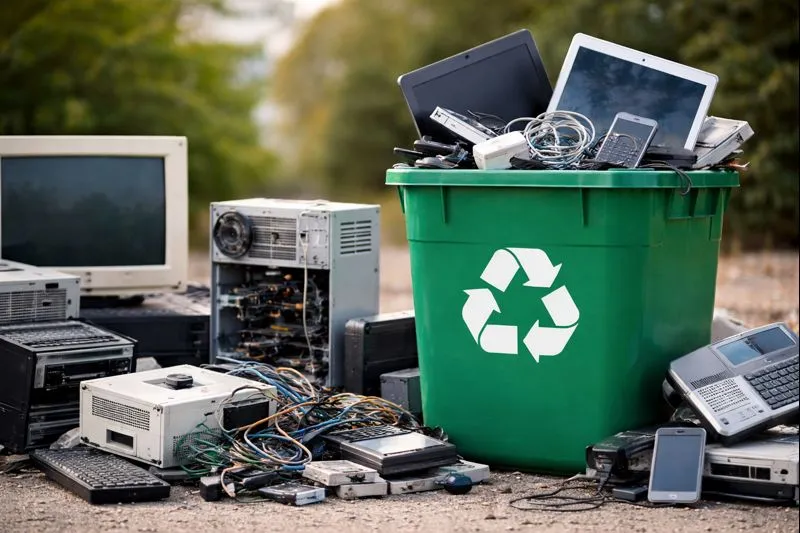
Polypropylene (PP) is one of the most widely used thermoplastic polymers in the global materials industry. Known for its balance of strength, flexibility, and chemical resistance, it plays a central role in packaging, automotive components, textiles, and consumer goods. As industries continue to shift toward efficient and sustainable materials, polypropylene remains a key focus due to its performance characteristics and recyclability potential.
What is polypropylene (PP) and why is it so widely used?
Polypropylene is a synthetic plastic polymer formed from propylene monomers. It belongs to the polyolefin family and is recognized for being lightweight yet mechanically strong. Its molecular structure gives it a combination of durability, heat resistance, and chemical stability, making it suitable for a wide range of applications.
Statistically, PP ranks among the most produced plastics globally due to its adaptability across multiple industries. It is commonly found in food containers, automotive parts, household goods, medical tools, and packaging materials, showing its broad industrial acceptance.
What are the key properties that define polypropylene?
Polypropylene is valued for its high melting point, low density, and strong resistance to moisture and chemicals. These characteristics make it suitable for both rigid and flexible applications.
One of its important traits is fatigue resistance, meaning it can withstand repeated stress without breaking easily. This is particularly useful in products like storage containers and living hinges. It also offers good heat resistance, allowing it to maintain structural integrity under elevated temperatures.
How does polypropylene perform in industrial applications?
In industrial settings, PP is widely used due to its balance of mechanical strength and processing efficiency. It can be easily molded, extruded, or spun into fibers, making it suitable for mass production systems.
In automotive manufacturing, it is used for dashboards, bumpers, and interior panels. In packaging, it is commonly used for containers, caps, and films. Its lightweight nature helps reduce transportation costs while maintaining product durability.
Why is polypropylene considered a cost-effective material?
Polypropylene is relatively inexpensive to produce compared to many engineering plastics. Its production process is efficient, and it requires less energy during processing due to its low density and easy moldability.
This cost advantage makes it attractive for industries that require high-volume production. Additionally, its long lifespan and resistance to wear reduce replacement costs, improving its overall economic efficiency in supply chains.
Is polypropylene environmentally significant?
Polypropylene plays an important role in modern sustainability discussions. While it is not biodegradable, it is technically recyclable, which allows it to be reprocessed into new materials when properly collected and sorted.
Its recyclability helps reduce dependence on virgin plastic production and supports resource conservation. However, its effectiveness in recycling systems depends heavily on waste segregation and contamination control, which are key statistical challenges in waste management infrastructure.
What are the common challenges associated with polypropylene?
One of the main challenges is contamination during waste collection. PP is often mixed with other plastics, which reduces the quality of recycled output. Another challenge is degradation over multiple recycling cycles, where material properties may slightly weaken.
In addition, improper disposal leads to environmental persistence, since PP does not naturally decompose in a short time frame. This makes efficient collection systems essential for improving recycling outcomes.
How is polypropylene shaping future material innovation?
Polypropylene continues to evolve through material science advancements. Research shows that modifying PP with additives or reinforcing it with fibers can significantly improve its mechanical and thermal properties.
These innovations are expanding its use in high-performance applications, including advanced automotive systems, lightweight structural components, and engineered packaging solutions. This positions PP as a future-ready material aligned with efficiency and sustainability goals.
Conclusion
Polypropylene (PP) remains one of the most important and widely used plastics in the modern world due to its durability, versatility, and cost efficiency. Its broad industrial applications and recyclability potential make it a valuable material in both economic and environmental contexts. As technology and recycling systems improve, polypropylene is expected to play an even stronger role in supporting sustainable material management and circular economy development.