


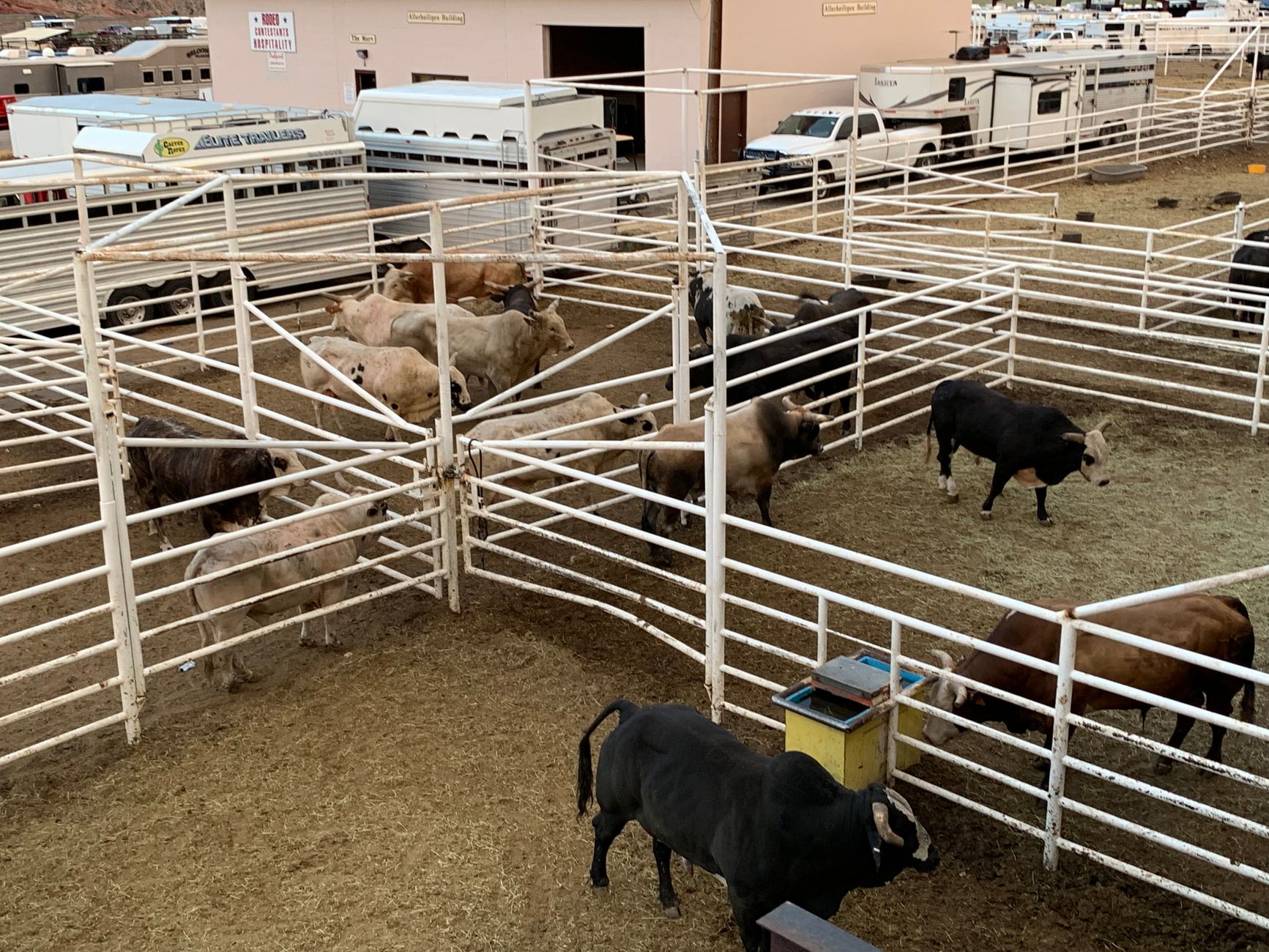
Cattle training and welfare are important aspects of responsible livestock management, particularly in communities where bulls have a long cultural and agricultural history. In southern Thailand, traditional cattle activities have influenced local customs and community gatherings. Understanding Southern Fighting Cattle (วัวชนแดนใต้) involves examining how animals are raised, handled, and cared for while recognizing the importance of humane treatment. Proper management focuses on animal health, safe behavior, and suitable living conditions rather than encouraging aggression or physical confrontation.
Why Is Proper Cattle Training Important?
Training helps cattle become familiar with routine handling and everyday farm activities. Bulls can be powerful animals, so calm and consistent handling is essential for reducing risks to both livestock and people.
Basic training may involve becoming comfortable with feeding schedules, movement through designated areas, and veterinary examinations. Positive handling methods help reduce fear and unnecessary stress. Animals should never be trained through painful punishment, intimidation, or forced aggression.
How Should Bulls Be Handled Safely?
Safe handling begins with understanding animal behavior. Bulls may react unpredictably when frightened, uncomfortable, or placed in unfamiliar surroundings. Caretakers should remain attentive to body language and avoid sudden movements or unnecessary confrontation.
Secure fencing, suitable gates, and properly designed handling areas are important safety measures. People working with cattle should receive appropriate training and avoid handling powerful animals alone when risks are present.
Maintaining predictable routines can also make daily livestock management more manageable.
What Role Does Nutrition Play in Animal Welfare?
Balanced nutrition supports healthy growth, body development, and normal activity. Cattle require suitable forage, supplementary feed when necessary, and continuous access to clean drinking water.
Feeding requirements vary according to breed, age, body condition, and health. Farmers should monitor changes in appetite and weight because these may indicate nutritional problems or illness.
Veterinary professionals can help establish appropriate feeding plans and identify deficiencies that require attention.
How Can Farmers Maintain Healthy Living Conditions?
Suitable housing protects cattle from extreme temperatures, heavy rainfall, and uncomfortable environmental conditions. Shelters should provide adequate ventilation, clean resting areas, and sufficient room for movement.
Regular cleaning helps reduce the spread of infections and parasites. Farmers should also inspect enclosures, provide appropriate shade, and arrange routine veterinary examinations.
Healthy surroundings contribute to better physical condition and reduce unnecessary stress.
Why Must Traditional Activities Respect Animal Welfare?
Cultural traditions involving powerful bulls should recognize the responsibilities associated with livestock ownership. Activities that deliberately encourage animals to fight can result in injuries, exhaustion, and psychological distress.
Modern communities can celebrate their heritage through livestock exhibitions, breed presentations, and educational demonstrations. These alternatives highlight traditional cattle knowledge without exposing animals to harmful confrontations.
What Does Responsible Cattle Management Achieve?
Responsible training and welfare practices create healthier livestock and safer farming environments. They also help preserve agricultural knowledge for future generations.
By combining traditional experience with veterinary guidance and humane handling, cattle owners can respect regional heritage while protecting their animals. Good welfare should remain central to every aspect of cattle management.
The Short Version
- Cattle training and welfare are crucial for responsible livestock management, especially in communities with a cultural and agricultural history of bulls.
- Proper cattle management emphasizes animal health, safe behavior, and humane treatment over encouraging aggression or confrontation.
- Training helps bulls become familiar with handling routines, which is vital for reducing risks to both livestock and people.
- Balanced nutrition is essential for healthy growth and development, requiring monitoring of changes in appetite and weight by farmers.
- Cattle require suitable housing that protects against extreme temperatures and facilitates clean resting areas and movement.
- Cultural traditions should respect animal welfare by avoiding activities that promote fighting, opting instead for educational demonstrations and exhibitions.