


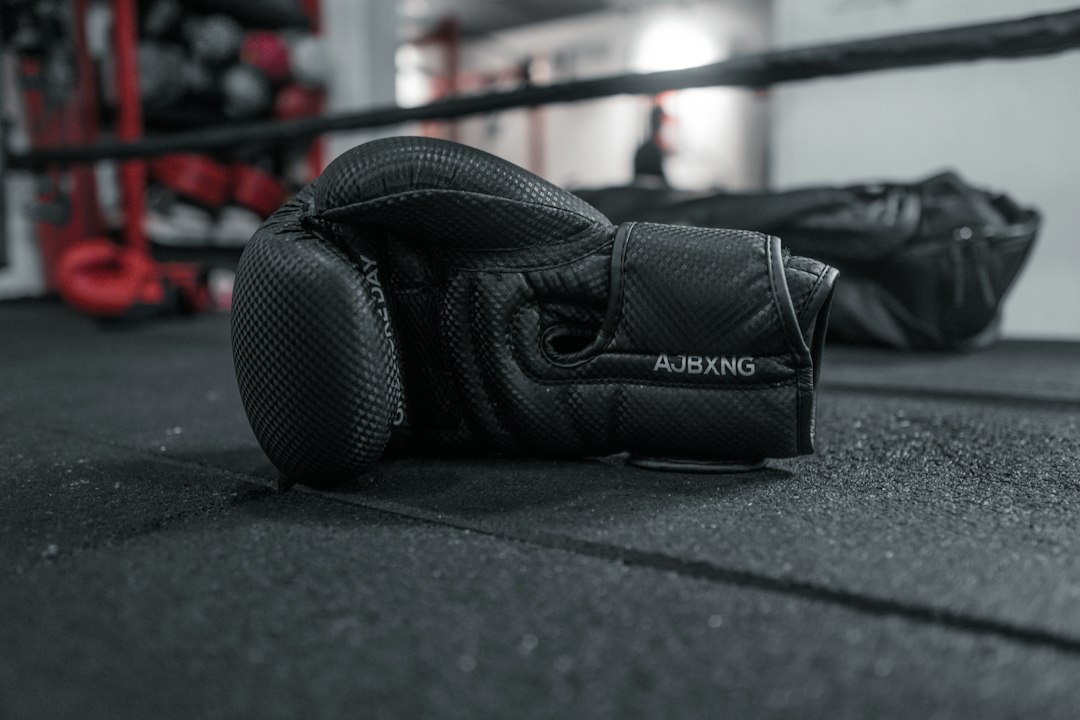
Boxing involves different stances that influence how competitors move, attack, and defend themselves inside the ring. Two of the most common positions are orthodox and southpaw, each offering distinct tactical characteristics. Understanding these differences is useful when examining Boxing picks (ทีเด็ดมวย) because a fighter’s stance can affect distance, punching angles, defensive positioning, and overall strategy. Learning how these styles work helps fans understand the challenges competitors may face during a matchup.
What Is an Orthodox Boxing Stance?
The orthodox stance is commonly used by right-handed boxers. In this position, the left foot and hand remain forward, while the right hand stays behind as the stronger punching hand.
Orthodox fighters frequently use the lead jab to control distance, interrupt attacks, and create openings for stronger rear-hand punches. The rear cross is another important technique because it can generate considerable power through coordinated body movement.
Proper balance and foot positioning allow orthodox boxers to move effectively while maintaining defensive protection.
How Does a Southpaw Stance Work?
A southpaw stance is generally associated with left-handed fighters. The right foot and hand remain forward, while the left hand provides the primary power punches.
Southpaw competitors often create unusual angles for orthodox opponents because their positioning differs from the more familiar stance. Their lead right jab and rear left cross can challenge an opponent’s defensive awareness.
However, southpaw positioning does not automatically provide an advantage. Success depends on technique, timing, movement, and the ability to adapt during exchanges.
Why Can Stance Differences Create Challenges?
When an orthodox boxer faces a southpaw, both competitors must adjust to different attacking angles. Their lead feet may compete for inside positioning, making footwork especially important.
The position of the feet can influence balance and create opportunities for straight punches. Fighters who understand these details may control distance more effectively and avoid unnecessary exchanges.
Defensive awareness also becomes essential because familiar combinations can approach from unexpected directions.
Which Techniques Matter Most in These Matchups?
Several techniques can influence contests between opposite stances. The jab helps establish distance, while straight punches can target openings along the center line. Hooks and uppercuts may become effective when fighters move closer.
Footwork is equally important. Stepping outside an opponent’s lead foot can create improved attacking angles, while controlled movement helps prevent awkward positioning.
How Should Fans Compare Southpaw and Orthodox Boxers?
A useful comparison considers experience against opposite stances, defensive discipline, punching accuracy, movement, and adaptability. Some fighters regularly face unfamiliar opponents and develop effective strategies, while others may struggle with unusual angles.
Recent performances can also reveal whether a boxer handles stance differences comfortably.
Can Either Stance Guarantee Victory?
Neither orthodox nor southpaw positioning guarantees success. Both styles have strengths and weaknesses, and individual ability ultimately determines effectiveness.
Responsible fight analysis considers stance alongside conditioning, experience, technique, and preparation. Understanding these differences helps boxing fans appreciate the tactical complexity of professional matchups and recognize why small positional details can influence an entire contest.
The Short Version
- The orthodox stance is commonly used by right-handed boxers, characterized by the left foot and hand being forward.
- Southpaw stances are typically associated with left-handed fighters, where the right foot and hand are positioned forward.
- When an orthodox boxer faces a southpaw, both must adjust to different attacking angles, making footwork crucial.
- Techniques like the jab and straight punches are vital in contests between opposite stances for targeting openings.
- Successful adaptation during exchanges in boxing matches depends on a fighter’s technique, timing, movement, and ability to adjust.
- Neither stance guarantees victory, as effectiveness ultimately relies on individual ability, experience, and preparation.